News

2026 LTL near Olin Park and Lake Monona

A great day for our lakes

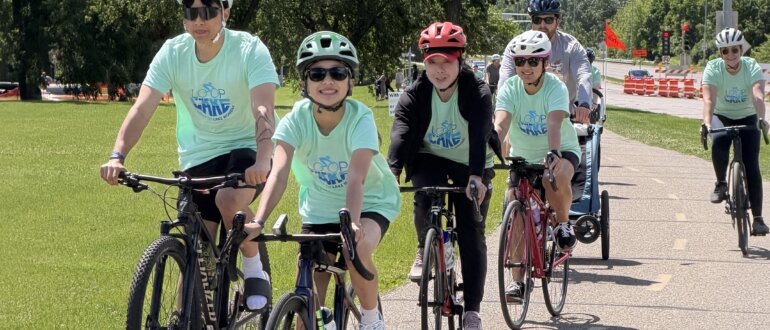
What an incredible Loop the Lake! Thank you to everyone who participated, volunteered, donated, sponsored, or supported the event in any way. Community commitment to our lakes helps make this effort possible.

With community-wide support, we can continue investing in lake restoration projects, educational programs, and water quality monitoring efforts throughout the Yahara Watershed.

This year, 1,280 participants from across Greater Madison and beyond joined the Loop the Lake bike ride. Their participation demonstrated a shared commitment to protecting and improving the health of local lakes. We also extend our sincere gratitude to our sponsors and volunteers, whose generosity and dedication made this event possible.

Read More

Lake Wingra aquatic plants

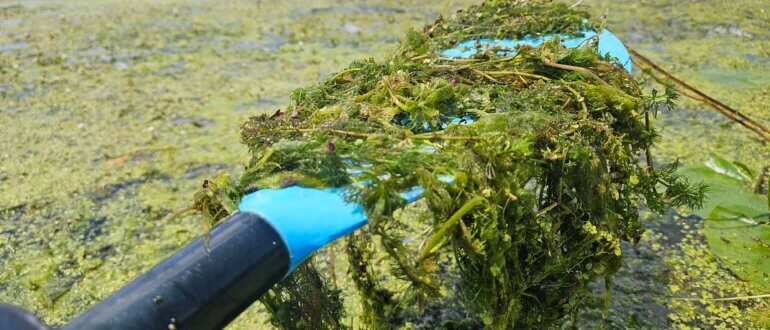
Submerged aquatic plants, often dismissed as “weeds,” are essential to the freshwater ecosystems of lakes and rivers. Known scientifically as macrophytes, aquatic plants absorb nutrients like phosphorus and nitrogen which otherwise can fuel algal blooms. They also stabilize lake-bottom sediments, help protect shorelines from wave erosion, and provide critical habitat and food for fish and other wildlife. Because aquatic plants play such a vital role, the Wisconsin Department of Natural Resources (DNR) regulates and limits their removal to preserve the numerous benefits they bring to our waterways.

Read More

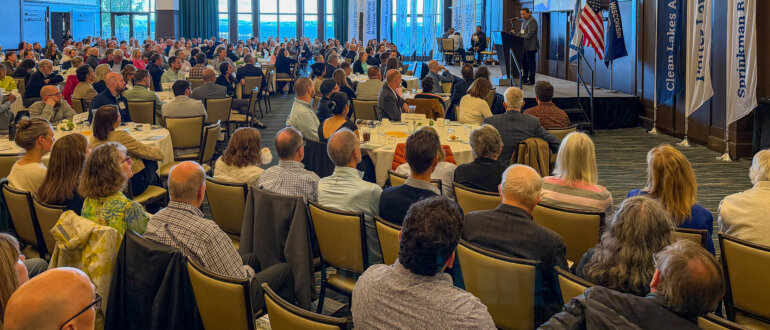
2026 State of the Lakes event at The Edgewater

Thank you for being part of State of the Lakes

We’re still celebrating the success of this year’s State of the Lakes, and we’re grateful to all who joined us.

With your support, we once again brought together scientists, community and business leaders, government officials, and representatives from the Ho-Chunk Nation to deepen our understanding of the challenges facing our lakes and build momentum for collaborative action. 

Read More

2026 Frozen Assets Festival

Thank you for helping make Frozen Assets unforgettable!

Thank you for helping Clean Lakes Alliance turn frozen lakes into a full-on celebration! Our annual Frozen Assets Festival and 5K Run/Walk brought people together and put winter lake appreciation front and center.

Read More

2025 nearshore training

LakeForecast water quality monitoring in 2025

Clean Lakes Alliance’s LakeForecast water quality monitoring program completed its 13th season in 2025. This program is entirely volunteer implemented, with more than 100 trained monitors assessing water quality conditions from nearshore and offshore locations across all five Yahara lakes (Mendota, Monona, Wingra, Waubesa, and Kegonsa).

From Memorial Day through Labor Day, volunteers recorded water clarity, air and water temperature, waterfowl presence, the extent of floating plant debris, and the severity of green algae and cyanobacteria at public beaches, lakeside parks, and private piers. Submitted condition reports were able to be tracked in real-time on Lakeforecast.org or our free app, allowing the general public to stay up to date on current lake conditions.

Read More

frozen-sunset-on-lake-mendota

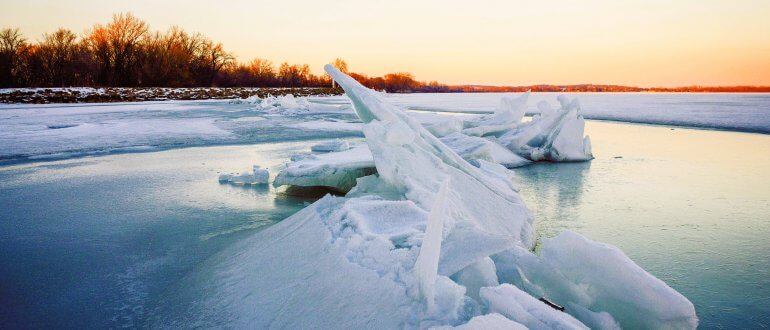
Lakes can be surprisingly noisy in winter. Ice fractures and cracks are constantly forming through these cold winter months, causing audible sounds ranging from a slight echoing “blooop” sound to a startling or explosive “bang!” Why exactly are our icy lakes so loud?

Ice isn’t always as solid as it looks

Although lake ice appears stable and solid, it is an ever-shifting material subject to ever-changing forces. Unlike nearly every other substance or material, the volume of water significantly expands as it freezes, increasing the given volume of water about 9% after freezing. The expansion can induce incredible amounts of pressure onto the ice. Think about how frozen water can cause metal pipes to bend and burst.

Read More

Person walks across frozen Lake Mendota

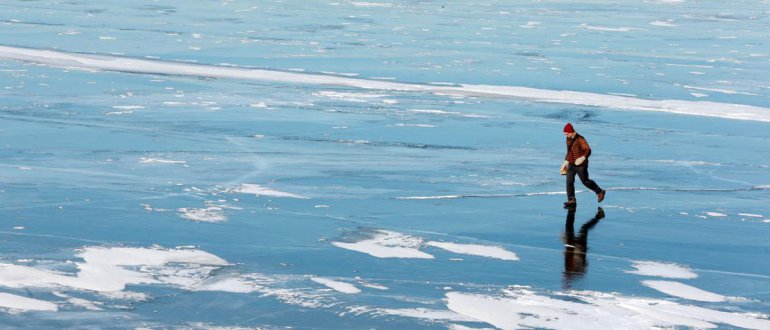
The brisk air is a reminder that our local lakes will soon freeze, but predicting when is anyone’s guess. There is a complex interplay of many forces that uniquely influences each lake’s ice-on date. (Learn more about the Mendota Freeze Contest and make your guess for when Lake Mendota will freeze.)

Freezing air temperatures are obviously the driving force behind lake ice formation. Yet water has a high specific heat capacity. This means it takes a lot of energy to change the temperature of water compared to other materials. Therefore, air temperatures from much earlier in the season can impact timing of ice formation. A cool September, for instance, can set the stage for an earlier freeze.

Read More

Clean Lakes Alliance's Watershed Programs Manager Caitlin McAleavey volunteers with Dane County Parks to process native seeds for distribution across the Yahara Watershed

Many hands make light work. And for volunteers collecting and processing native seeds, it can be fun work, too!

On any given fall day, you can likely find volunteers collecting native seeds from a local prairie. For years, many organizations, including Clean Lakes Alliance, have offered this volunteer opportunity and encouraged people to join us in the prairie.

Read More

Grain harvested from a research plot is transferred to a wagon to be weighed on a scale at the farm, photo courtesy Dane County


BY KIM MEYER, AGRONOMIST, DANE COUNTY LAND & WATER RESOURCES DEPARTMENT

Exploring conservation methods

Farmers have limited opportunities — approximately 40 over their lifetime — to explore new conservation practices. This makes change inherently risky as they often must wait until the following year for another chance. This reality underscores the effectiveness of farmer-led initiatives, where farmers collaboratively share knowledge and experiences to achieve common objectives, such as enhancing soil health while safeguarding water quality and ensuring farm profitability. Farmers have firsthand insight into the challenges associated with adopting new conservation methods.

Read More